Friday, 20 June 2025

Trekking in India Guide: Must-Visit Treks & Experiences

 Trekking as an activity has experienced exponential growth in India. Lately, we have seen a surge in the number of individuals who are beginning to explore mountains. 

The rugged terrain of the mountains carries a mix of romance and raw thrill that continues to entice travellers every single day. One of our trekkers recently shared her experience from the Goechala Trek, where she stood face-to-face with the mighty Kanchenjunga. She described the moment as overwhelming and unreal, a view so powerful it sparked what she called an instant love affair with the mountains.

Stories like these aren’t rare. In fact, we’ve heard countless reflections from trekkers who set out for adventure and return with something far deeper, a sense of connection, awe, or even transformation.

Trekking is not just a recreational activity, it’s an opportunity to redefine your relationship with nature. It reshapes the balance between human and wild and provides you a chance to explore the deepest corners of nature. 

If there’s one place that truly embodies the soul of trekking, it’s Uttarakhand. Trekking in Uttarakhand means more than just covering distance, it’s about walking through legends, landscapes, and living history.

Each step takes you past snow-covered peaks, high-altitude lakes, and villages that have stood untouched for generations. You’ll hear the rustle of pine trees, the chants from distant shrines, and the silence of vast alpine meadows.

It’s like a dialogue between you and the mountains, the paths are enriched with abundance of flora and fauna & it allures people from all walks of life. 

Trekking in India


Some of the most Popular treks in Uttarakhand are : 

  • Valley of Flowers Trek: Famous for its rich biodiversity and vibrant flora. Famous for its UNESCO-listed alpine valley, this trek is a dreamscape of over 600 species of wildflowers in full bloom during monsoon. Ideal for nature lovers and photographers, it also includes a visit to Hemkund Sahib, adding a spiritual layer to the journey.

  • Har Ki Dun Trek: A journey into mythology, glaciers, and remote Himalayan villages, the Har Ki Dun Trek is often referred to as the ‘Valley of Gods’. Surrounded by snow-covered peaks, alpine forests, and ancient wooden houses, this trek feels like walking through a living museum of culture and nature. The trail passes through the villages of Osla and Seema, where the way of life hasn’t changed for centuries. It’s a paradise for bird watchers and history lovers alike.

You’ll also witness stunning views of peaks like Swargarohini, believed to be the path to heaven in the Mahabharata. It’s not just a trek—it’s a time capsule wrapped in silence, legends, and snow.

  • Kedarkantha Trek: A perfect winter trek, Kedarkantha is ideal for beginners who dream of trekking in snow. With summit views at 12,500 ft, it offers a big reward for a relatively moderate climb. The trail winds through dense pine forests,  and wide clearings that feel like nature’s amphitheatre. 

It’s also one of the few treks in India where you can experience snowfall without needing high-altitude experience. Sunrise from the Kedarkantha summit is unforgettable, 360° views of Himalayan Peaks greet you as you stand above the clouds.

Most of these treks are included in well-curated trekking packages offered by some of the best trekking companies in India, ensuring safety, comfort, and meaningful experiences.

Now, while we’re talking about treks in Uttarakhand, we simply can't miss the amazing trails of Himachal Pradesh, a state that opens up its most stunning treks during summer, monsoon, and autumn.

Lush pine forests and high-altitude meadows to barren, moon-like deserts, trekking in Himachal offers a wide range of terrain, from moderate to difficult and truly challenging routes. Each trail unfolds a new personality, a different rhythm, and a unique connection with nature.

What makes Himachal even more special is the hospitality of the local Pahadi people. Whether it’s a warm cup of chai shared at a village home or the stories exchanged around a campsite, the kindness you encounter here becomes a part of the trek itself.


Top Treks in Himachal:

  • Kareri Lake Trek – Serene, scenic, and spiritually grounding. An easy-to-moderate trek that leads to a pristine glacial lake nestled in the Dhauladhar range. Surrounded by pine forests and quaint villages, it’s perfect for first-time trekkers or those seeking a peaceful, meditative escape.The lake, surrounded by the Dhauladhar range, is crystal clear and feels untouched. Camping near its shores, with the night sky reflecting off the water, was nothing short of magical.

The trail to Kareri Lake winds through lush forests, rustic bridges, and mountain villages, offering you a true sense of connection with nature and local culture. It’s not a difficult trek, which makes it ideal for beginners or anyone seeking peace.

  • Hampta Pass Trek – A dramatic crossover trek from the lush greenery of Kullu Valley to the barren beauty of Lahaul. Expect river crossings, alpine forests, high-altitude camps, and a thrilling pass crossing. 


  • Buran Ghati Trek - One of the most thrilling treks in India, Buran Ghati combines lush meadows, ancient villages, snow walls, and a rappelling descent. It offers a mix of challenge and charm, ideal for those looking for adventure with jaw-dropping landscapes.

Trekking is often referred to, informally yet accurately, as a modern therapeutic remedy for everyday stress, which has been on the rise, especially among today’s youth. In a world dominated by screens, deadlines, and constant digital noise, trekking offers something rare: a fresh lease on life, even if only for a few days.

In the mountains, nature becomes your sanctuary. The rustling of leaves, the gentle sway of trees, the distant call of birds, all blend into a calming symphony that soothes the mind and silences the chaos of modern life.

According to a study, the act of trekking triggers the release of endorphins, the body’s natural “feel-good” hormones. These chemicals induce a sense of well-being, reduce anxiety, and elevate mood. As your body moves and your breath finds rhythm, the mind follows, entering a state of flow, where distractions dissolve and presence takes over.

Trekking also encourages mindfulness. You begin to notice the subtle beauty of your surroundings, the vibrant colors of wildflowers, the scent of pine in the air, the solid feel of the earth beneath your boots. This quiet awareness augments mental clarity and reduces stress in a way that feels effortless.

For many, trekking becomes a form of moving meditation. The rhythm of your steps turns into a mantra, the trail becomes your focus, and with each mile, you shed layers of mental clutter. It's no exaggeration to say that trekking not only strengthens the body, it heals the mind and nourishes the soul.

Treks in India


And with the growing popularity of India trekking tours, there are now many curated trekking packages available for all levels, from beginners to seasoned adventurers. Choosing the best trekking company is key to a safe, enriching experience. A well-designed trekking package can transform the way you engage with nature, providing trained guides, well-organized logistics, and insights into the ecosystems and cultures you pass through.

Because trekking in India isn’t just about the views, it’s about presence, simplicity, and rediscovery. It’s about slowing down in a world that’s moving too fast.



Tuesday, 17 June 2025

Mount Kilimanjaro Trek – Best Time, Difficulty, safety Tips


Why Trek Mount Kilimanjaro in Tanzania?

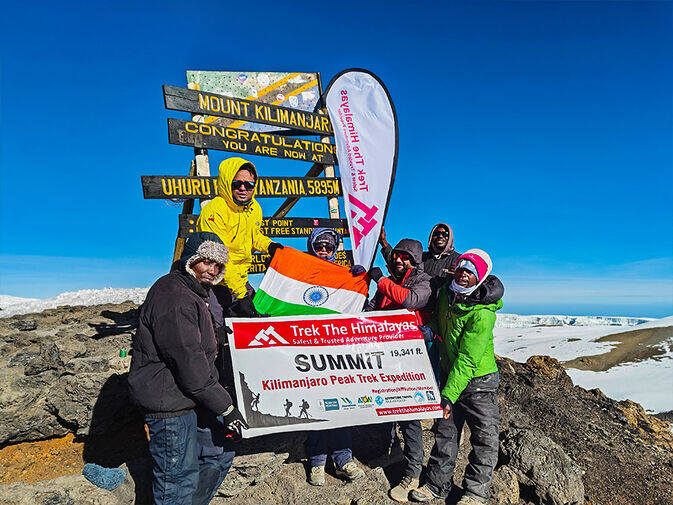
Mount Kilimanjaro, Africa’s highest peak at 5,895 meters, is one of the Seven Summits and one of the most rewarding non-technical treks on Earth. It takes you through lush rainforests, alpine deserts, and arctic summits—all in a single journey. The trek is challenging, but achievable with proper preparation.

Mount Kilimanjaro Trek - Trek The Himalayas

Top Highlights of the Mount Kilimanjaro Trekking Experience

  • Summit Sunrise at Uhuru Peak – Watch the sunrise from the roof of Africa.

  • Barranco Wall Challenge – A thrilling scramble with panoramic views.

  • Five Climate Zones – From rainforest to glaciers.

  • Rich Cultural Exposure – Meet local Chagga people and learn Swahili phrases.

  • Stargazing & Sunsets – Unforgettable skies at high altitude.

How Tough Is the Kilimanjaro Trek?

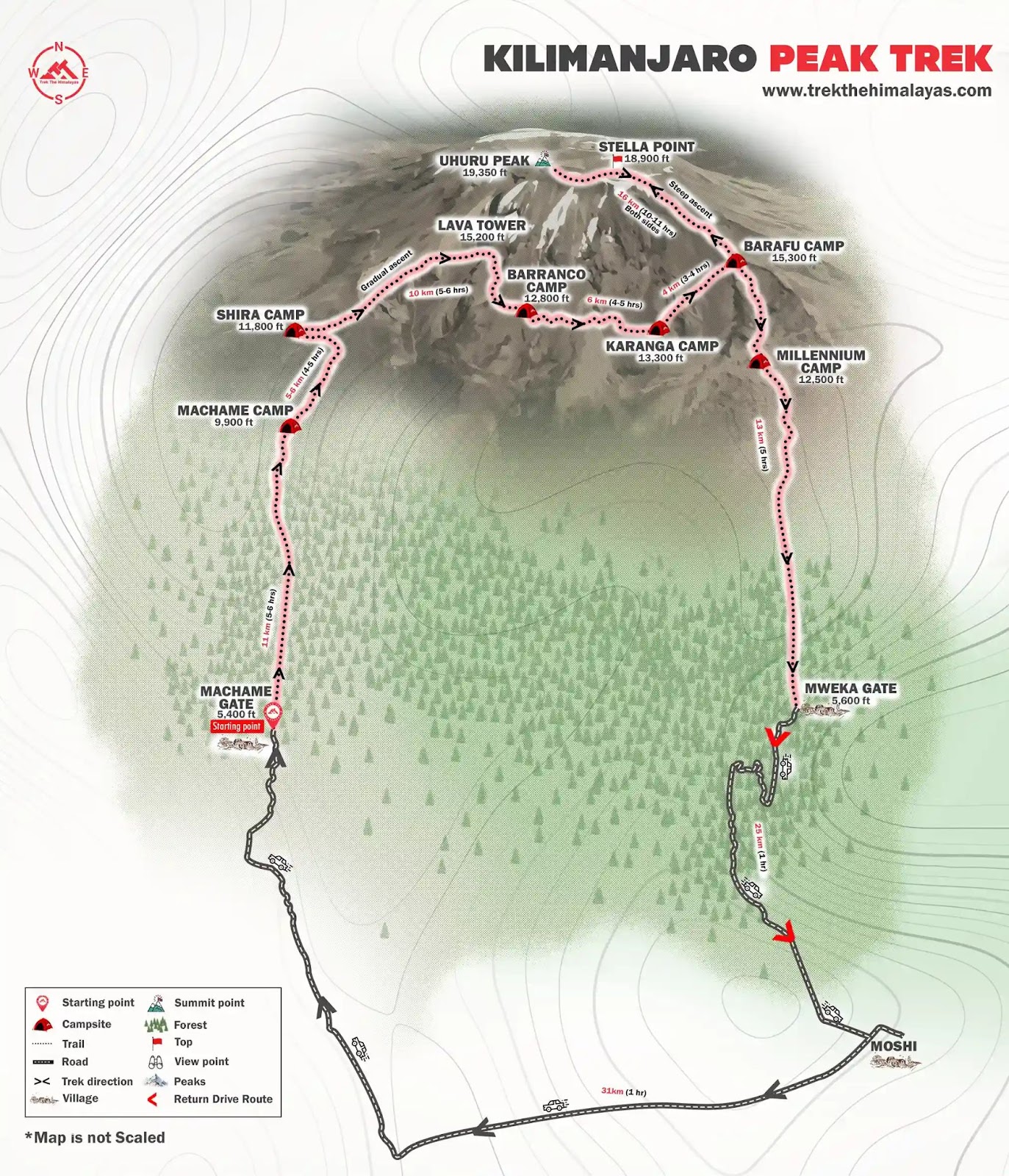
Mount Kilimanjaro is a high-altitude trek but doesn’t require technical climbing skills. Altitude is the main challenge. Choose longer routes (like Lemosho or Machame 7+ days) to improve acclimatization. Average fitness and mental resilience matter more than being an athlete.

Best Time to Climb Mount Kilimanjaro

The best months are January–February and August–October. These months offer clear skies and stable conditions. Avoid April–May (long rains) and November (short rains) for safety and better trail experiences.

Travel Essentials for Your Kilimanjaro Trek in Africa

Visas

  • Most travelers need a visa (valid 90 days).

  • Available online, at embassies, or on arrival at major airports.

Health & Vaccinations

  • Yellow Fever: Required only if arriving from risk areas (e.g., Kenya or South Africa).

  • Malaria: Present below 1,800m. Use repellents, nets, and consult a doctor for anti-malarials.

  • Recommended Vaccines: Hepatitis A, Typhoid. Check local guidelines.

Customs & Safety

  • Duty-Free: 250g tobacco, 1 alcohol bottle, 580ml perfume.

  • Prohibited: Wildlife products, unlicensed gems.

  • Stay safe by avoiding walking alone at night and securing valuables.

Mount Kilimanjaro Trek -Trek The HimalayasMount Kilimanjaro Trek -Trek The Himalayas

Why Choose a Trusted Company for Mount Kilimanjaro Trekking?

Certified and Licensed Kilimanjaro Mountain Guides

Mount Kilimanjaro is a moderate to difficult high-altitude trek, and going with a reliable trekking company significantly improves your safety, comfort, and summit success. Trusted outfits like Trek The Himalayas provide experienced, KINAPA-certified guides trained in Wilderness First Response (WFR), ensuring that every part of your journey—from route planning to medical checks—is well managed.

Our lead guides are licensed by KINAPA (Kilimanjaro National Park Authority), and many of our assistant guides are also highly experienced and professionally trained. We strongly believe that having skilled, certified guides is key to a safe and successful expedition.

With growing international interest and higher safety standards, we carefully select our guides based on:

  • Guiding experience

  • Safety knowledge

  • Professionalism

  • High-altitude expertise

They’re not only knowledgeable but also committed to giving you a high-quality mountaineering experience.

Porter Welfare & Expedition Team

Each climber is supported by 4 porters who ensure a smooth journey. Our porters are well-treated, fairly paid, and respected. You’ll carry only a light daypack as they handle the rest.

Nutrition & Equipment

We serve calorie-rich, nutritious meals that help with acclimatization. Our gear is top-grade and replaced each season to ensure quality.

Kilimanjaro Trek Quick Facts

  • Altitude: 5,895m (19,341ft)

  • Duration: 6–9 days

  • Difficulty: Moderate to Difficult (non-technical)

  • Permit: Required (included in package)

  • Best Routes: Machame, Lemosho, Rongai

Plan Your Mount Kilimanjaro Trek with Experts

Plan your Mount Kilimanjaro Trek with experts who know the mountain inside out. From choosing the best route to ensuring your safety and success, our experienced guides make your journey to the summit unforgettable.

Looking to trek Kilimanjaro with confidence? Our team provides:

  • Personalized advice for choosing the best route

  • A complete Kilimanjaro packing list

  • Travel support before departure

  • On-ground safety and altitude care

Reach out to start planning your Kilimanjaro trekking tour today.


Friday, 16 May 2025

Valley of Flowers


Wednesday, 14 May 2025

Valley of Flowers – A Himalayan Wonderland of Blooms and Beauty

 The Valley of Flowers is a must-do for every nature lover and trekking enthusiast. Nestled in the Chamoli district of Uttarakhand, the Valley of Flowers is a UNESCO World Heritage Site famed for its vibrant alpine meadows, rare Himalayan flora, and stunning mountain vistas. Located in the Nanda Devi Biosphere Reserve, it attracts thousands of trekkers each year. This SEO-friendly guide gives you all the details you need to plan your visit to the Valley of Flowers .


Highlights of the Valley of Flowers

  • Over 600 species of alpine flowers including blue poppies, brahma kamal, and Himalayan bellflowers.

  • Panoramic views of peaks like Nilgiri Parbat, Gauri Parbat, and Hathi Parbat.

  • Rich biodiversity with sightings of Himalayan birds, musk deer, and even Himalayan black bears.

  • Hemkund Sahib, a spiritual pilgrimage site, is an optional extension of the trek.

Trekking Route Overview

  • Base Village: Govindghat

  • Main Route: Govindghat → Pulna → Ghangaria → Valley of Flowers (and optionally Hemkund Sahib)

Route

Distance

Duration

Altitude

Govindghat to Pulna (drive)

4 km

20 mins

2100 m

Pulna to Ghangaria

9 km

4 hrs

3,000 m

Ghangaria to Valley of Flowers

4 km (one way)

7 hrs

3,500 m

Ghangaria to Hemkund Sahib

6 km (one way)

8–9 hrs

4,300 m  

Best Time to Visit Valley of Flowers

  • Mid-July to Mid-August: Peak bloom season, best time to witness the valley in full color.

  • June: Lush greenery and the beginning of the bloom.

  • September: End of season, fewer crowds, clear mountain views.

How to Reach Govindghat for Valley of Flowers

  • By Air: Jolly Grant Airport, Dehradun (295 km from Govindghat).

  • By Train: Nearest railway stations are Haridwar and Rishikesh.

  • By Road: Regular buses and shared taxis available from Haridwar or Rishikesh to Joshimath and Govindghat.

Valley of Flowers Difficulty and Preparation

  • The Valley of Flowers trek is graded easy to moderate.

  • Suitable for beginners and families with basic fitness levels.

  • Daily walking or jogging for 30–45 mins for 3–4 weeks is recommended before the trek.

  • Stay hydrated and walk at a steady pace to avoid altitude-related issues.

Accommodation and Food in Valley of Flowers Area

  • Guesthouses and budget hotels available in Govindghat and Ghangaria.

  • Langar at Hemkund Sahib for trekkers visiting the shrine.

  • Local food like dal-chawal, Maggi, and parathas are easily available along the route.

Valley of Flowers Entry Permits and Fees

  • Forest entry permit is mandatory for the Valley of Flowers.

  • Carry a valid photo ID.

  • Entry fee ranges from ₹150 to ₹600 depending on duration and nationality.

What to Pack for Valley of Flowers

  • Warm clothing for chilly mornings and evenings.

  • Waterproof jacket or poncho.

  • Good-quality trekking shoes with grip.

  • Sunscreen, sunglasses, cap, reusable water bottle.

  • First aid kit and any personal medications.

Environmental and Cultural Guidelines

  • Camping is strictly prohibited inside the Valley of Flowers National Park.

  • Follow Leave No Trace principles. Carry all waste back with you.

  • Respect local customs, especially around Hemkund Sahib.

Valley of Flowers Cost and Packages

  • Typical cost: ₹12,000-₹14,000 for a 5–6 day visit to the Valley of Flowers.

  • Packages generally include accommodation, meals, permits, guide, and logistics.

  • Trek operators offer fixed departures from Rishikesh, Haridwar, and Joshimath.

Frequently Asked Questions (FAQs)

  • Is Valley of Flowers suitable for solo travelers? Yes, solo trekkers can join guided groups.

  • Can children visit the Valley of Flowers? Yes, children above 10 years with basic fitness can join.

  • Is Hemkund Sahib visit compulsory? No, it's optional but highly recommended.

  • Do I need a guide? Not mandatory but helpful for first-time trekkers.

  • Is there a mobile network? Limited network. BSNL and Jio may work in Ghangaria.

Final Tips for Valley of Flowers

  • Avoid weekends for a quieter experience.

  • Start trekking early to avoid afternoon rainfall.

  • Carry enough cash; no ATMs beyond Joshimath.

  • Slow down and soak in the valley's magic—this trek is about nature, not speed.

The Valley of Flowers is more than just a journey—it's an experience of nature's brilliance at its finest. Plan your trip well, follow the guidelines, and you’ll carry the beauty of the Valley of Flowers in your heart forever.


Trekking in India Guide: Must-Visit Treks & Experiences

  Trekking as an activity has experienced exponential growth in India. Lately, we have seen a surge in the number of individuals who are beg...